Blood Sugar and Recovery: What a CGM Can Teach You
A few years ago, continuous glucose monitors were medical devices for people with diabetes. Now they're a full-blown wellness trend — biohackers wear them, nutrition influencers compare glucose curves, and "glucose goddess" hacks fill social feeds. It's easy to roll your eyes at the hype. But underneath it, there's real science about something most of us never think about: how your blood sugar moves through the day, and how those movements shape your energy, sleep, and recovery.
I'm not here to tell you to run out and buy a CGM. They're expensive, and for most healthy people they're optional. But understanding the connection between blood sugar and recovery is genuinely useful — and if you ever do wear one, here's what to actually look for.
YouTube: Related video
What a CGM actually measures
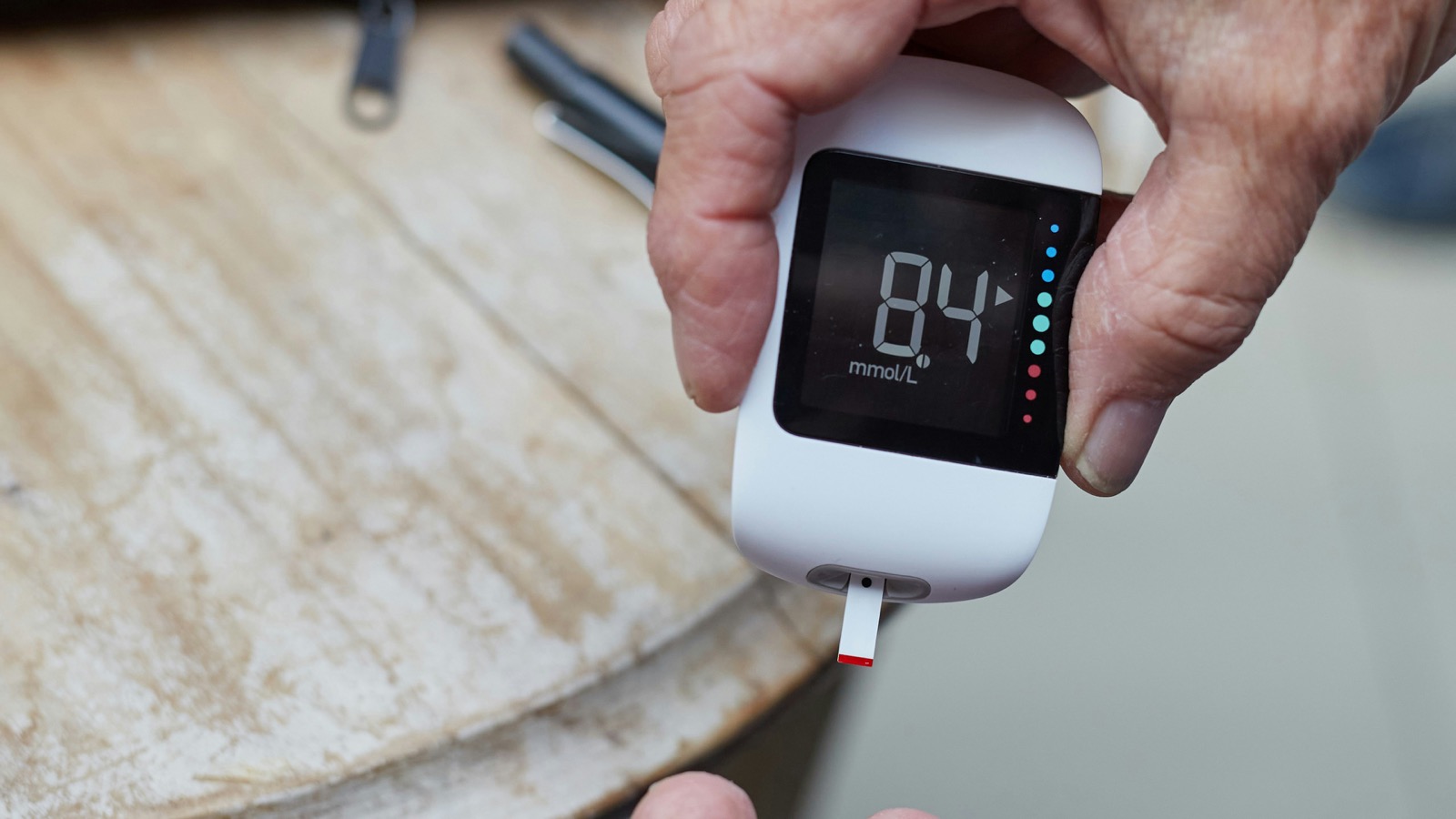
A continuous glucose monitor is a small sensor worn on your arm that reads the glucose level in the fluid around your cells — interstitial fluid, not blood directly. Because of that, readings lag behind a finger-prick test by a few minutes. But what it lacks in instant precision, it makes up for in the shape of the curve: a CGM shows you the pattern of your glucose across a whole day in a way a single test never could.
For reference, a healthy fasting glucose sits roughly between 70 and 100 mg/dL. After a meal, most healthy people peak somewhere under 140 mg/dL and drift back to baseline within about two hours. That's the shape you want: modest rises, gentle falls. The trouble starts when glucose spikes hard and fast, because the bigger the spike, the harder your body has to work to bring it down.
Why glucose matters for recovery
You might think blood sugar is a diabetes thing, not a recovery thing. But glucose is your body's primary fuel, and the way it moves through your day quietly shapes everything else:
- Energy stability. Big spikes are usually followed by crashes — that 3 PM slump after a carb-heavy lunch isn't a personality flaw, it's glucose falling back below baseline.
- Cravings. Sharp drops in glucose are a trigger for hunger and sugar cravings. Stable glucose means fewer snack emergencies.
- Sleep quality. High glucose in the evening is linked to more restless sleep, and poor sleep makes glucose regulation worse the next day. It's a feedback loop.
- Training. Workout performance depends on having fuel available. Understanding your glucose response helps you time carbs around training instead of guessing.
The sleep–blood sugar two-way street
This is the part that connects directly to your wearable data. Sleep and blood sugar are deeply entangled, and the effects show up fast.
Skimp on sleep and your insulin sensitivity drops — your cells become worse at clearing glucose from the blood. In one striking study, a single night of only four hours of sleep cut insulin sensitivity by roughly a fifth in otherwise healthy young men. That means the same breakfast spikes your glucose higher after a bad night than after a good one. Recent studies tracking healthy university students with CGMs find the same pattern in real life: worse sleep nights are followed by higher and more variable glucose the next day.
The reverse direction matters too. If you wear a CGM and see glucose climbing overnight — outside the natural "dawn phenomenon" bump that everyone gets in the early morning hours — it can be a sign of stress or fragmented sleep driving cortisol up. That's your body in sympathetic overdrive, and it shows up in your HRV as well. When your overnight glucose is elevated and your HRV is low, your recovery is genuinely compromised.
What people actually learn from wearing one
The most useful thing a CGM teaches isn't a number — it's your individual responses. Everyone metabolizes food differently, and the standard "this food is good, that food is bad" advice is surprisingly personal. Common discoveries include:
- Food order changes everything. Eating vegetables, protein, or fat before the carbs in a meal can blunt the glucose spike dramatically — same meal, different curve.
- A short walk after meals helps. Ten to fifteen minutes of easy movement after eating noticeably smooths the post-meal rise. It's one of the cheapest, most reliable glucose interventions there is.
- Your "healthy" breakfast might spike you. Oatmeal with fruit and juice can send some people's glucose soaring, while others handle it fine. The CGM shows your reality, not the influencer's.
- Portion and timing beat perfection. Smaller servings of carbs spread through the day usually produce a much flatter curve than the same total amount in one sitting.
The honest caveats
Before you get carried away, some perspective. For healthy people without diabetes, CGMs are a wellness tool, not a medical necessity. They measure interstitial glucose with a lag, they're not validated for disease screening in healthy populations, and the sensors cost real money. There's also a darker side to the trend: for some people, obsessing over every glucose curve turns into disordered eating. If tracking a number makes you anxious about food, put the sensor away — the data isn't worth that.
Here's the liberating part: you can apply most of the lessons without ever wearing one. Eat vegetables and protein before your carbs. Walk after meals. Prioritize sleep, because it's the foundation of glucose regulation. Keep your evening meals lighter and earlier. These habits are cheap, well-studied, and don't require a subscription.
The bottom line
Blood sugar is one of those quiet systems that runs in the background of your health — until it doesn't. It affects your energy, your sleep, your cravings, and your recovery, and it's tightly linked to the sleep and stress signals your wearable already tracks.
You don't need a CGM to benefit from this knowledge. But if you're the kind of person who loves understanding how your body works — the kind who reads HRV charts for fun — a month with one can be genuinely eye-opening. Just remember the goal isn't perfect curves. It's noticing patterns, testing small changes, and feeling better.
Century AI helps you understand your body with a daily health score, recovery score, and sleep insights — using the watch you already wear.